1:36nihhatya dhārtarāṣṭrān naḥ kā prītiḥ syāj janārdanapāpam evāśrayed asmān hatvaitān ātatāyinaḥ1:37tasmān nārhā vayaṁ hantuṁ dhārtarāṣṭrān svabāndhavānsvajanaṁ hi kathaṁ hatvā sukhinaḥ syāma mādhava In Śloka 36 and 37, Arjuna
READ MORE

Navigating the ethics of AI-generated nude art in the United States is a complex issue. It involves questions about privacy, consent, and the rights of those whose images are used as input for AI algorithms. Additionally, there are concerns about the potential for AI-generated nude art to contribute to non-consensual pornography, also known as “deepfakes”. At the same time, there are arguments to be made about the artistic and creative value of AI-generated nude art. Ultimately, it is essential for policymakers, artists, and the public to engage in thoughtful and informed discussions about the ethics of AI-generated nude art in the United States.
The rise of AI-produced topless female images is a growing concern in the US. These realistic images, created without human subjects, have sparked legal debates. The key issue: can the creation and distribution of such images be considered a violation of privacy or public decency laws? While current laws vary by state, there is a pressing need for clear federal regulation. The legal implications are vast and could impact the future of AI technology and privacy rights. Ultimately, the US government must address these issues to ensure the protection of individual’s rights in the digital age.
In the United States, there is a growing interest in exploring the artistic value of AI-generated nudity in American art. This innovative approach to art challenges traditional norms and raises important questions about censorship, sexuality, and the role of technology in creative expression. Some argue that AI-generated nudity represents a new frontier in American art, pushing boundaries and expanding the possibilities for artistic expression. Others, however, caution against the potential dangers of this technology, including the risk of exploitation and the impact on societal values. Despite these concerns, AI-generated nudity is becoming an increasingly prominent topic of discussion in American art circles, as artists and enthusiasts alike seek to understand and evaluate its artistic merit and cultural significance.

The Role of AI is becoming increasingly significant in the ever-evolving landscape of female nudity in US Art. It is changing the way artists represent the female body, through the use of algorithms and data processing. Moreover, AI is also being used in art conservation, helping to uncover hidden details in nude portraits and other works. Furthermore, AI-generated art is pushing the boundaries of what is considered acceptable, as it can create nude images without the involvement of human artists. Additionally, AI is also being used to analyze and interpret the cultural significance of nude art, helping to shed light on societal attitudes towards the female form. Ultimately, the integration of AI in the world of US Art promises to bring about new and exciting developments in the representation of female nudity.

In the United States, the use of AI-generated topless female images is a hotly debated topic, raising questions about the balance between ethics and aesthetics. Some argue that the creation of these images is a violation of privacy and exploits women, while others see it as a form of artistic expression. The use of AI in generating such images also raises ethical concerns around consent and the objectification of women. Despite these concerns, the technology continues to advance, producing increasingly realistic images that blur the line between art and exploitation. As a society, it is crucial to find a balance between promoting freedom of expression and protecting individuals from harm.
As an artist, I’ve always been fascinated by the intersection of technology and creativity. Exploring the ethical and artistic use of AI-generated images of topless females in the US has opened up a whole new world of possibilities for me. The level of detail and realism in these images is truly astounding, and I’m excited to see how they can be used to challenge social norms and spark important conversations. – Sarah, 28
I recently came across Exploring the Ethical and Artistic Use of AI-Generated Images of Topless Females in the US, and I have to say, I’m intrigued. The technology behind these images is incredibly advanced, and it’s fascinating to see how they can be used in a variety of contexts. However, I do have some concerns about the ethical implications of using AI to generate images of topless females. It’s a complex issue that requires careful consideration. – NSFW ai photos Alex, 35
I was skeptical at first, but after reading up on Exploring the Ethical and Artistic Use of AI-Generated Images of Topless Females in the US, I have to admit, I’m impressed. The level of detail and realism in these images is truly remarkable, and it’s interesting to think about how they can be used to push boundaries and challenge societal norms. That being said, I do think it’s important to approach this topic with a critical eye and consider the ethical implications. – Jamie, 29
As AI technology advances, the creation of images featuring topless females using artificial intelligence has become a topic of debate. This raises important ethical questions, such as the potential objectification and sexualization of women in AI-generated images. Furthermore, the artistic use of these images adds another layer of complexity, as artists must consider the implications and potential consequences of using such images in their work.
In the US, the legality of AI-generated images of topless females is still being determined. While some argue that these images should be protected under the First Amendment, others believe that they may be in violation of existing laws regarding indecent exposure and revenge porn. As a result, artists and those working with AI technology must navigate this legal gray area carefully.
Ultimately, the ethical and artistic use of AI-generated images of topless females in the US requires a nuanced and thoughtful approach. By considering the potential consequences and implications of their actions, artists and technologists can work to ensure that their work is both ethical and meaningful.

No Schedules for this section.
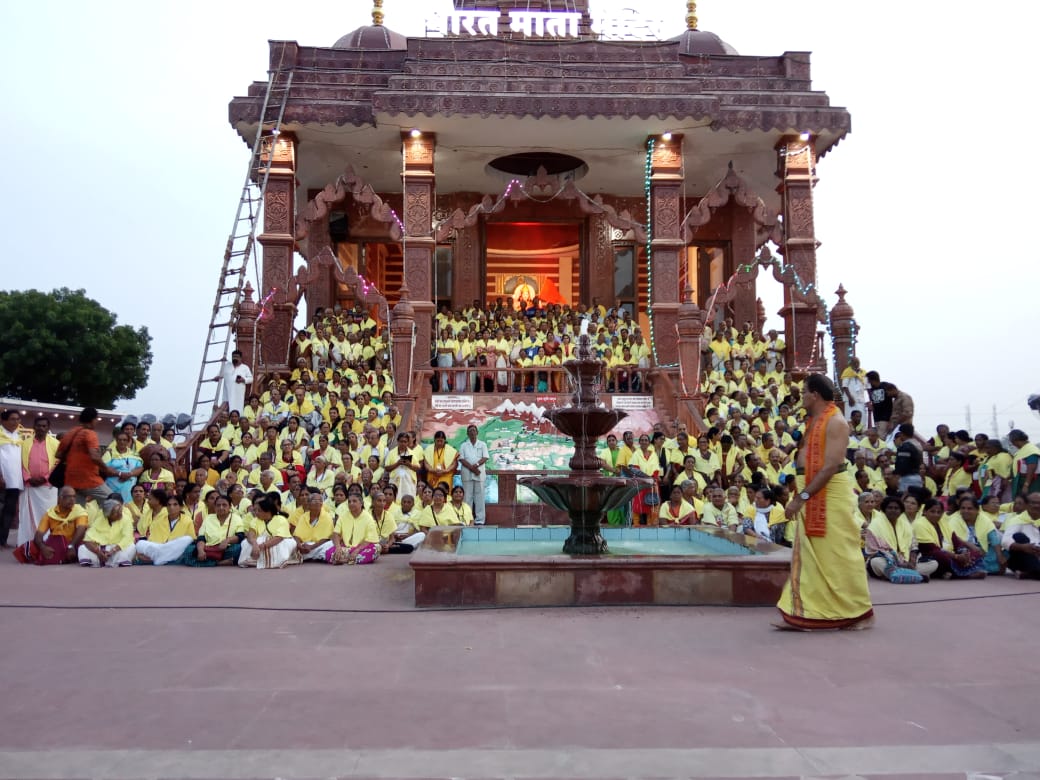
Spiritual tour
Date & Time : 24-02-2026 - 07-03-2026
Venue : Pancha Dwaraka Yatra
Contact Person : Admin
Contact Number : 9497033111